ARTICLE:
In the past five years, esports has grown from a niche hobby to a global phenomenon, with millions of fans tuning in to watch professional gamers compete in virtual stadiums. As the industry continues to evolve, one thing is clear: virtual stadiums are changing the gaming landscape forever.
The Rise of Virtual Stadiums
Virtual stadiums are immersive, online environments that allow gamers to experience the thrill of live events from the comfort of their own homes. These virtual arenas are designed to mimic the energy and excitement of traditional sports stadiums, complete with cheering crowds, live commentary, and even 3D graphics. The result is an unparalleled level of immersion that draws viewers in and keeps them engaged.
Take, for example, the popular game League of Legends. In 2020, the game’s World Championship final drew a record-breaking 3.2 million concurrent viewers, with many tuning in to watch the action unfold in the virtual stadium. The event was a resounding success, with fans praising the seamless transition from traditional viewing to virtual immersion.
The Benefits of Virtual Stadiums
Virtual stadiums offer a range of benefits for gamers and fans alike. For one, they provide a more inclusive and accessible experience, allowing viewers to participate from anywhere in the world. This is particularly important for gamers who may not be able to attend traditional events due to location or financial constraints.
Virtual stadiums also offer a more dynamic and interactive experience. Viewers can engage with the action in real-time, casting their own votes, participating in polls, and even influencing the game itself. This level of engagement has been shown to increase viewer satisfaction and retention, making virtual stadiums a key driver of esports growth.
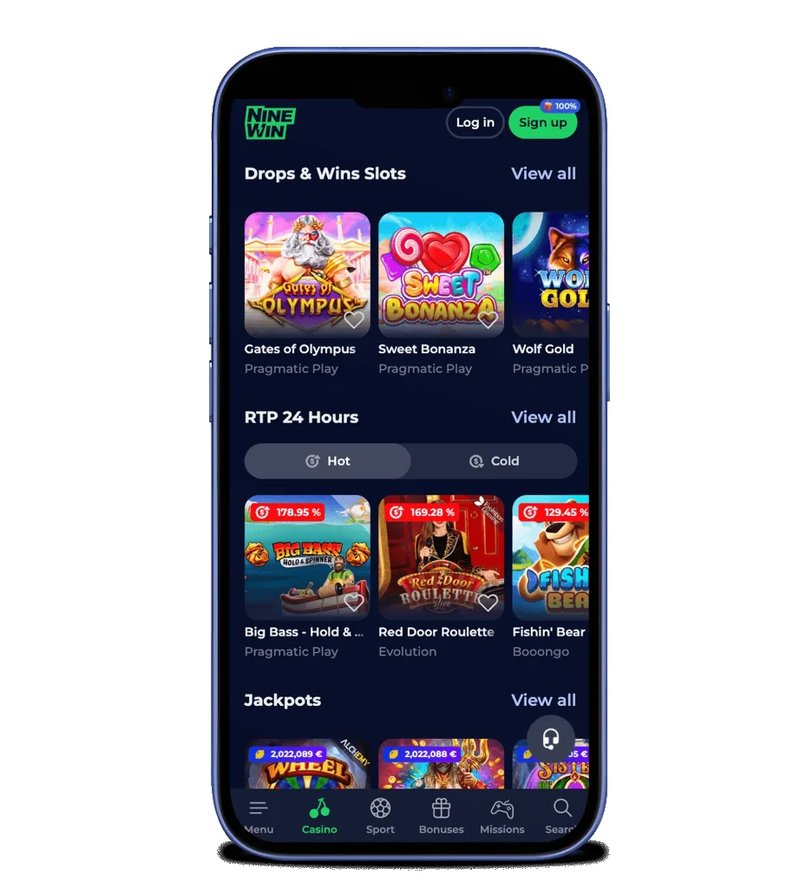
But virtual stadiums are not just limited to gaming. They can also be used to promote social causes, raise awareness for charity, and even host virtual events for businesses and organizations. For example, the popular gaming platform, Ninewin Casino Uk, has used virtual stadiums to host charity tournaments and raise funds for local communities.
Challenges and Opportunities
As virtual stadiums continue to grow in popularity, there are several challenges and opportunities on the horizon. For one, there is a need for more robust infrastructure to support the demands of high-quality, immersive experiences. This includes advancements in hardware, software, and internet connectivity.
Another challenge is the need for more diverse and inclusive content. While virtual stadiums have largely been used for traditional gaming events, there is a growing demand for more diverse and niche content. This could include virtual events for underrepresented communities, or even virtual experiences for non-gamers.
The Future of Virtual Stadiums
As the esports industry continues to evolve, it’s clear that virtual stadiums will play a major role in shaping the future of gaming. With their immersive, interactive, and inclusive experiences, virtual stadiums are changing the way we watch and engage with games. Whether you’re a seasoned gamer or just starting out, virtual stadiums offer a unique and exciting way to experience the thrill of live events from the comfort of your own home.
In the end, virtual stadiums represent a seismic shift in the way we consume entertainment. They offer a level of immersion and interaction that traditional viewing simply can’t match. As the industry continues to grow and evolve, one thing is clear: virtual stadiums are here to stay, and they’re changing the gaming landscape forever.
Frequently Asked Questions
What is a virtual stadium in esports?
A virtual stadium is an immersive, online environment that simulates a live event, allowing fans to experience the thrill of esports from home.
How do virtual stadiums differ from traditional gaming?
Virtual stadiums offer a more immersive and interactive experience, featuring real-time commentary, live streaming, and social interactions.
Which esports games are popular in virtual stadiums?
Popular esports games in virtual stadiums include League of Legends, Dota 2, and Fortnite.